01
Research-led
The model has been examined through published research and independent evaluation, with ongoing monitoring as the Hub approach develops.
About MyScience · Our mission
Our mission is to build the scientific thinking of children so they can one day solve problems no one has yet answered—the capability Australia’s future rests on.
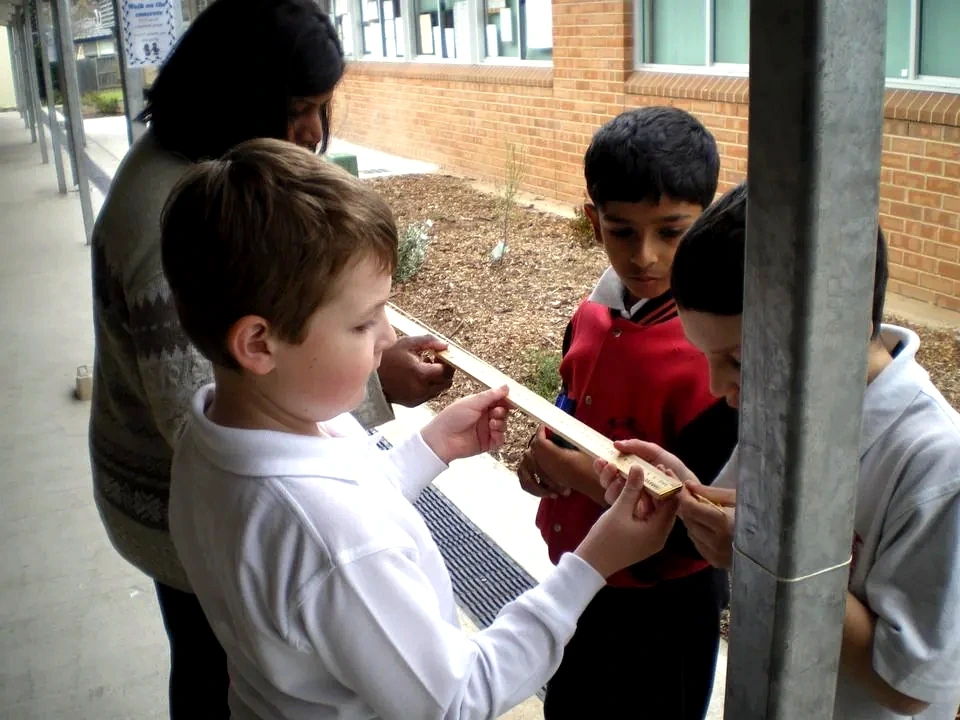
MyScience brings primary students, Year 9/10 MySTics, teachers, STEM mentors and trained facilitators together around real classroom investigations. The model combines student curiosity with structured inquiry, professional learning and community expertise.
What guides the program
MyScience is designed around three connected commitments: rigorous inquiry, shared expertise and practical support that helps more schools take part.
01
The model has been examined through published research and independent evaluation, with ongoing monitoring as the Hub approach develops.
02
Primary and secondary schools work with STEM mentors and a trained facilitator, creating a community where different forms of expertise are valued.
03
Teachers receive a clear structure and support, while contribution options and community sponsorship help reduce barriers to participation.
Our story
MyScience is a researched educational model with two decades behind it, now carried forward by an independent registered charity.
2006
MyScience begins as a partnership between schools, universities and business, created to build primary teachers’ confidence in science and improve student learning.
2008
The collaboration between education and industry behind the program receives national recognition.
2010–2019
Research examines the program from the perspectives of primary teachers, primary students, scientist mentors and secondary teacher-mentors.
2016
An Australian Catholic University trial reports measurable gains in teachers’ science teaching practices and students’ science learning outcomes.
2025
An independent registered charity is established to carry the educational model forward and support its next phase of growth.
2026
Goulburn and Seven Hills become the first Hubs in the new delivery model, connecting primary schools, secondary schools, STEM mentors and trained facilitators.
From 2027
MyScience plans to expand more widely across New South Wales and the ACT as funding, partnerships and local Hub opportunities develop.
Child safety
Classroom participation is structured around school responsibility, appropriate clearances and clear roles for every adult and student mentor.
MyScience is committed to the safety and wellbeing of every child who takes part. Requirements are confirmed for each location and host school before delivery begins.
Questions or concerns can be raised with the Hub facilitator, the host school or MyScience through the contact form.
The people behind the program
MyScience is led by an experienced board and supported by advisors who connect classroom practice with science, industry, systems leadership and teacher education.
Founder & Academic Director
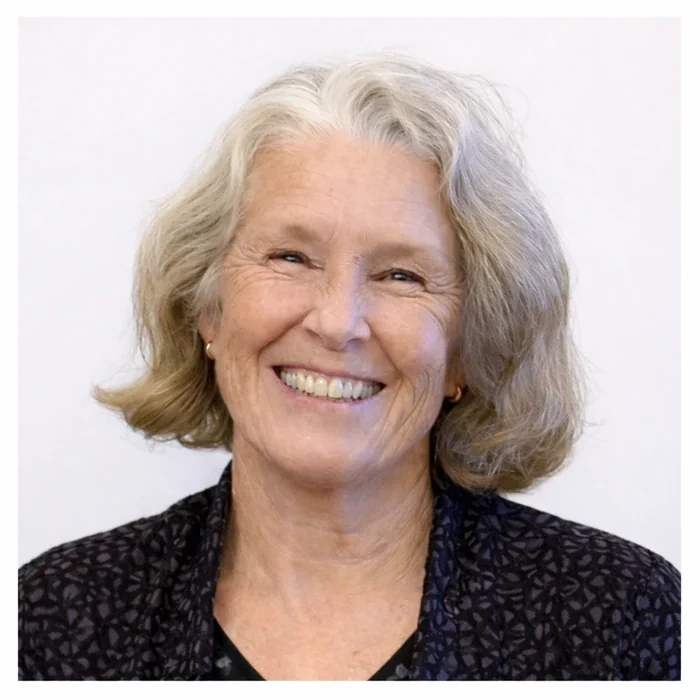
Anne founded MyScience and has led it from its first pilot classrooms to the hub-based model now running across NSW. A published researcher in science education and teacher professional development — and a classroom teacher for 10 years before that — she designed the program so the research and the teaching never drift apart. Her measure of success: real science, accessible to every child.
Director
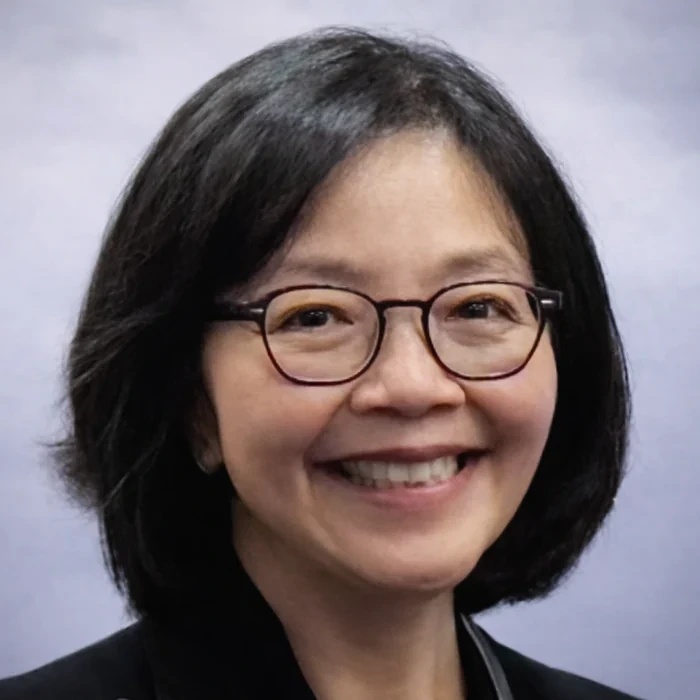
Bettina brings experience across technology, corporate social responsibility, skills and industry development from her work with IBM and the NSW Government. She has helped partners use technology to address social and workforce challenges, including STEM engagement, AI curriculum development and cyber security talent pathways. She helped establish the original MyScience collaboration with IBM, the NSW Department of Education and the University of Sydney.
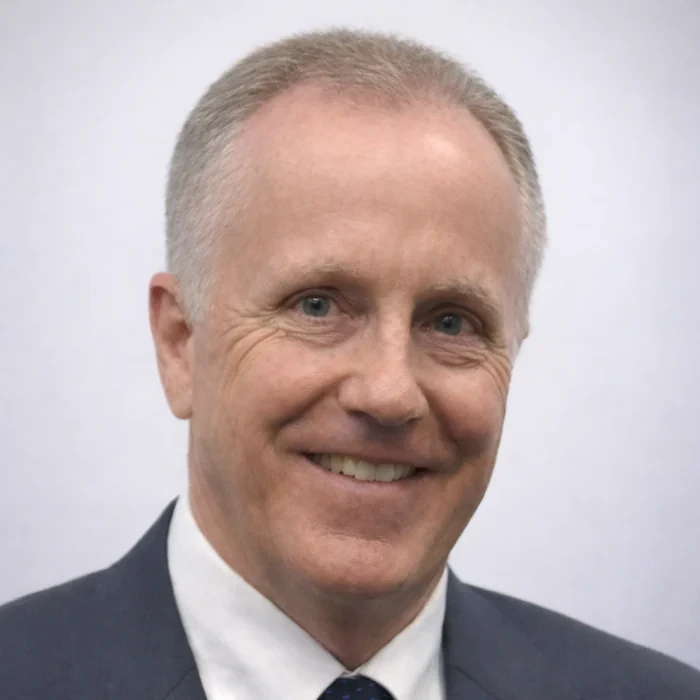
Director
Kim has spent his career in school leadership and teacher professional standards, including as CEO of the Professional Teachers' Council NSW and of the Australian Professional Teachers Association. He makes sure teacher accreditation and professional growth stay central to how MyScience is designed and delivered.
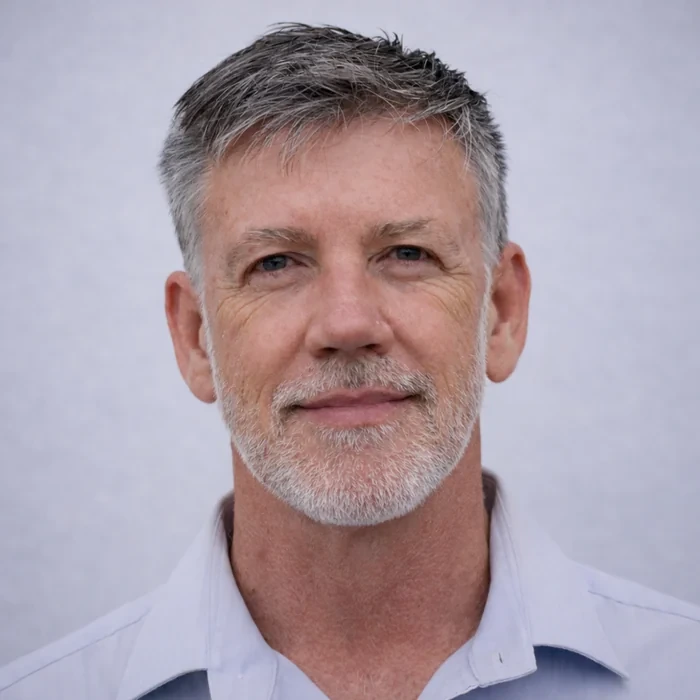
Advisor
Matthew has held executive and board roles across energy transition, AI-enabled education technology, and the commercialisation of university and CSIRO research. He advises MyScience on innovation and industry connections, keeping the science students meet tied to real work and future careers.
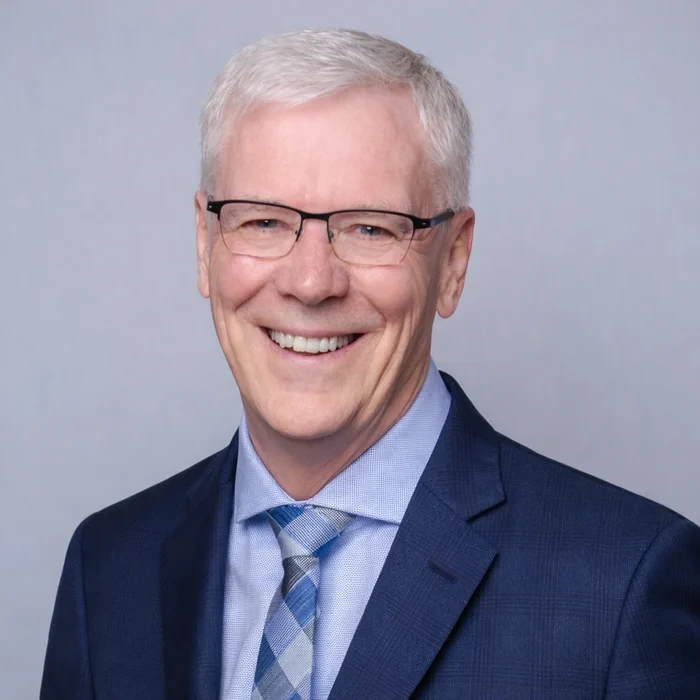
Advisor
Eric led large-scale reform in NSW public education as Director, High Performance at the Department of Education, and before that as Principal of Plumpton High School. He advises on what it takes for a program to work — and last — inside real schools.
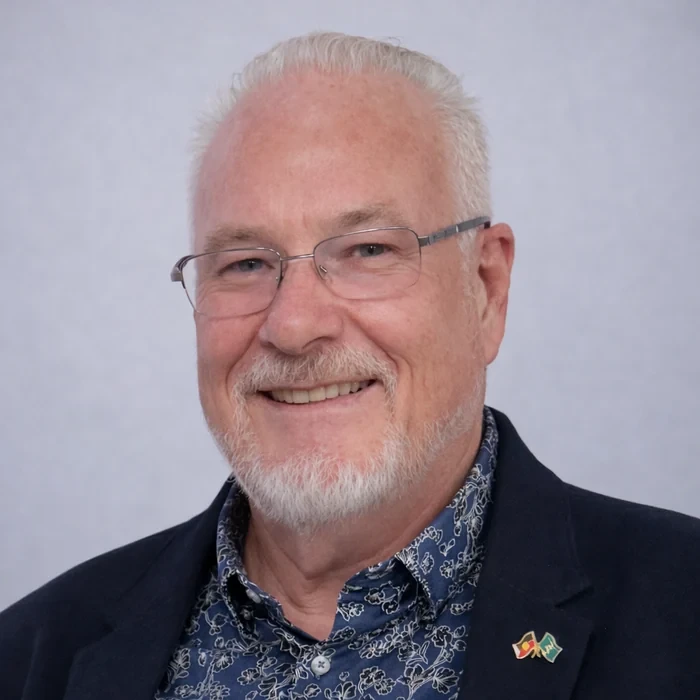
Advisor
Gerry co-created the MyScience educational model and led its implementation across NSW Department of Education schools. With a career spanning school performance measurement and K–12 science curriculum reform, he advises on keeping the program rigorous, scalable and matched to what schools actually need.
Advisor
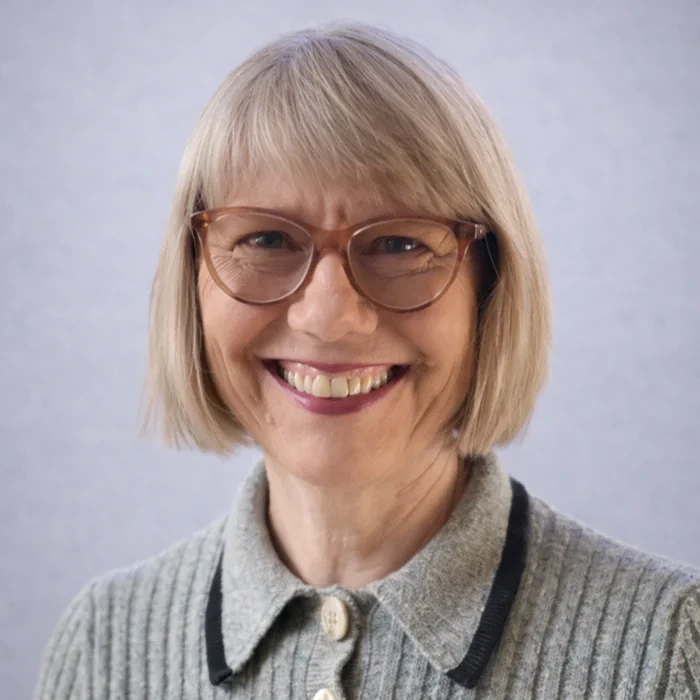
Philippa has taught and led teaching-and-learning teams in New Zealand, the United Kingdom and Australia. She coordinates the STANSW Young Scientist Steering Committee and won the 2015 BHP Billiton Science and Engineering Teacher Award. She advises MyScience on the teacher's side of the program — building confidence and keeping student curiosity at the centre.
Advisor
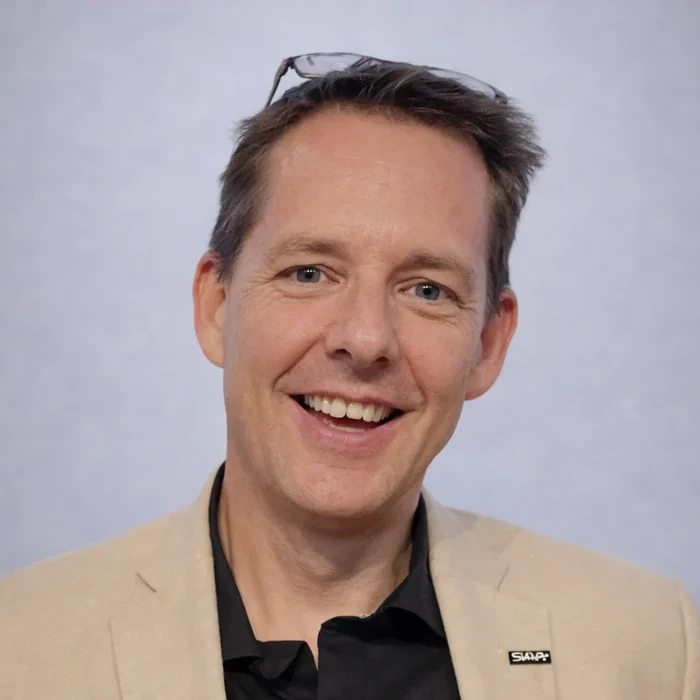
Tim is an aerospace engineer (BEng and PhD, Imperial College London; BSc, University of Sydney) who now works in Australia's space sector — leading missions, coaching start-ups and consulting to space agencies. He connects MyScience classrooms to science and engineering as it's practised at the frontier.
Advisor
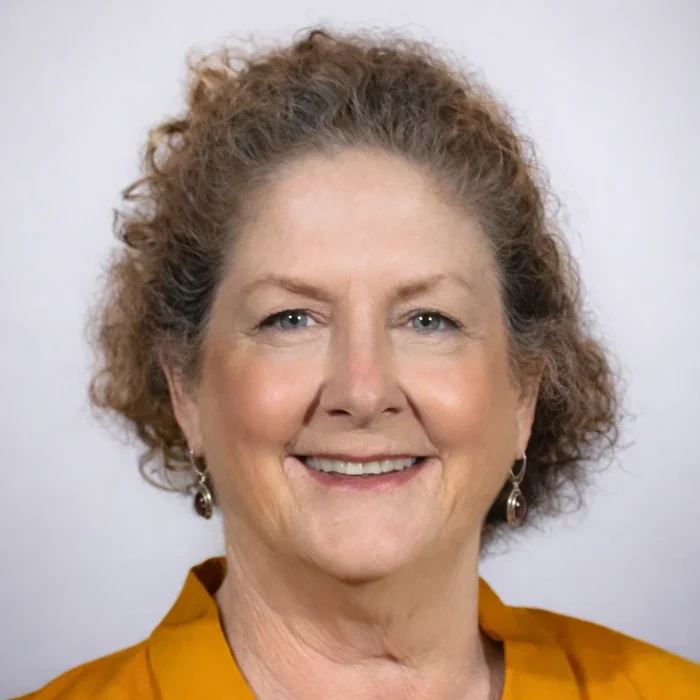
Margaret has supported pre-service and in-service science teachers for more than two decades. She founded SCIeducation and is a former President of the Australian Science Teachers Association, and advises on the link between classroom practice and teacher education.
Partners
Partnerships help connect schools with expertise, mentors and the support required to establish local Hubs.
Mentor and advisory partner
Red Global MX connects Mexican talent with Australian leaders and organisations. For MyScience, it supports a pipeline of STEM mentors and contributes advisory expertise, bringing internationally experienced scientists and engineers into local learning communities.
Governance
The organisation’s governance and the program’s evidence base are both visible to schools, participants, partners and supporters.
Registered charity
MyScience Ltd is registered with the Australian Charities and Not-for-profits Commission.
View the ACNC Charity Register entry →Evidence and reporting
MyScience’s educational model has a published research history, and current Hub delivery is being monitored as the organisation develops.
Explore impact and evidence →Where we operate
The new Hub model began in Goulburn and Seven Hills in 2026. Wider expansion across New South Wales and the ACT depends on local school partnerships, mentors, facilitators and funding.
Stylised map—not to scale.
Interested schools, mentors, facilitators, sponsors and regional partners can register their location through the MyScience contact form.
Register interest in your regionThe next chapter
Every Hub needs participating schools, STEM mentors, a facilitator, community partners and funding. Choose the pathway that fits how you would like to contribute.